The Importance of Barcodes on Product Packaging: Benefits, Types, and Applications
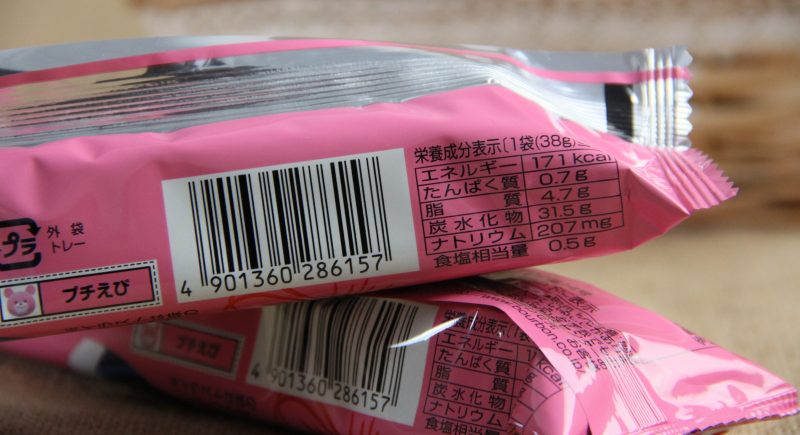
In today’s fast-paced business environment, product packaging plays a much bigger role than simply protecting products during storage and transportation. It also serves as an important source of information, helping businesses manage their products, streamline operations, and improve customer experiences. One of the most essential elements found on modern product packaging is the barcode.
Barcodes on product packaging have become a standard requirement across many industries, including food and beverages, cosmetics, pharmaceuticals, electronics, and consumer goods. These small but powerful symbols help businesses identify products, track inventory, process transactions, and maintain accurate product information.
But why are barcodes so important, and how do they benefit businesses? Let’s explore their functions, types, and practical applications in modern product packaging.
What Is a Barcode on Product Packaging?
A barcode is a visual representation of data that can be read by a barcode scanner or a compatible digital device. It typically consists of parallel lines and spaces of varying widths, although some barcode formats use square or rectangular patterns.
When printed on product packaging, a barcode contains specific information that helps identify a product within a database. Depending on the barcode type and system being used, it may represent product identification numbers, batch information, manufacturing details, or other relevant data.
In retail environments, barcodes are commonly used to identify individual products during checkout. When a cashier scans a barcode, the connected point-of-sale (POS) system retrieves the corresponding product information, including its name and price.
For example, consumers and businesses can use Barcode Spider to search for product information using UPC, EAN, and other barcode numbers. This type of service demonstrates how barcode technology connects physical product packaging with digital product databases.
Why Are Barcodes Important for Product Packaging?
Including a barcode on product packaging offers several advantages for manufacturers, distributors, retailers, and consumers.
1. Faster and More Accurate Transactions
One of the most familiar uses of barcodes is at retail checkout counters. Instead of manually entering product codes or searching for items in a database, cashiers can simply scan the barcode.
This significantly reduces checkout time and minimizes human errors. For businesses handling hundreds or thousands of transactions every day, barcode scanning can improve operational efficiency and customer satisfaction.
2. Improved Inventory Management
Managing inventory can be challenging, especially for businesses with large product catalogs and multiple storage locations.
Barcodes simplify inventory management by allowing employees to scan products whenever they enter, leave, or move within a warehouse. This makes it easier to monitor stock levels, identify low-stock items, and maintain accurate inventory records.
With an integrated inventory management system, businesses can also use barcode data to automate stock updates and reduce the risk of overstocking or running out of products.
3. Better Product Tracking and Traceability
Product traceability is particularly important in industries such as food production, pharmaceuticals, and cosmetics.
Barcodes help businesses track products throughout the supply chain, from manufacturing facilities to distribution centers and retail stores.
When combined with appropriate tracking software, barcode systems can help identify production batches, monitor product movement, and support product recalls when necessary.
For businesses that need to understand international product identification standards, the GS1 official website provides useful information about global barcode standards and product identification systems.
4. Reduced Operational Costs
Manual data entry, inventory counting, and product identification require time and labor. These processes can also lead to costly mistakes.
By implementing barcode systems, businesses can automate many routine activities and reduce administrative workloads.
Over time, improved accuracy and efficiency can translate into lower operational costs and better resource allocation.
5. Enhanced Customer Experience
Barcodes also contribute to a smoother shopping experience. Faster checkout processes, accurate pricing, and better product availability all help improve customer satisfaction.
Additionally, certain barcode formats, such as QR codes, can provide customers with access to additional product information, promotional offers, digital manuals, and company websites.
Common Types of Barcodes Used on Product Packaging
Not all barcodes serve the same purpose. Different industries and business operations require different barcode formats.
Here are some of the most commonly used barcode types.
1. UPC (Universal Product Code)
UPC is one of the most widely recognized barcode formats in retail, particularly in the United States and Canada.
It typically contains 12 numerical digits and is commonly printed on consumer product packaging. Retailers use UPC barcodes to identify products and process sales transactions efficiently.
2. EAN (European Article Number)
EAN barcodes are widely used in international retail markets. The most common format is EAN-13, which contains 13 digits.
Similar to UPC, EAN barcodes help retailers identify products and manage transactions. They are commonly found on food packaging, household products, personal care items, and other consumer goods.
3. QR Code (Quick Response Code)
QR codes are two-dimensional barcodes that can store more information than traditional linear barcodes.
Consumers can scan QR codes using smartphone cameras to access websites, product descriptions, promotional campaigns, user instructions, and other digital content.
Businesses increasingly use QR codes on packaging to connect physical products with digital experiences.
4. Code 128
Code 128 is a high-density linear barcode that can encode letters, numbers, and various special characters.
It is commonly used in logistics, warehousing, shipping labels, and inventory management systems because of its flexibility and data capacity.
5. Data Matrix
Data Matrix is a two-dimensional barcode format that can store information in a compact square or rectangular pattern.
It is particularly useful when packaging space is limited. Industries such as pharmaceuticals, medical devices, and electronics use Data Matrix codes for product identification and traceability.
How to Choose the Right Barcode for Product Packaging
Choosing the right barcode depends on several factors, including the type of product, industry requirements, packaging dimensions, and intended application.
Before selecting a barcode format, consider the following aspects:
- Industry requirements: Some industries and retail markets require specific barcode standards. Make sure the selected format meets applicable regulations and trading partner requirements.
- Packaging space: Small products may require compact barcode formats, such as Data Matrix or other suitable two-dimensional codes.
- Scanning requirements: Consider where and how the barcode will be scanned, whether at retail checkout counters, warehouses, or during transportation.
- Data requirements: Traditional retail barcodes generally identify products through a database, while two-dimensional barcodes can contain additional information.
- Printing quality: Ensure that the barcode can be printed clearly and scanned reliably throughout the product’s distribution process.
For companies that want to verify product identification information, Verified by GS1 is another useful resource for checking GTINs and related product identification details.
Best Practices for Printing Barcodes on Product Packaging
A barcode is only useful if scanners can read it correctly. Therefore, proper barcode placement and printing quality are essential.
Here are some best practices businesses should follow:
1. Choose the Right Placement
Place the barcode in a visible, accessible area of the packaging. Avoid positioning it across folds, seams, curved edges, or areas that may become damaged during handling.
2. Maintain Sufficient Contrast
Barcodes require sufficient contrast between the printed code and its background. Black bars on a white background are a common and reliable combination.
Avoid backgrounds, patterns, or colors that may interfere with barcode scanning.
3. Use High-Quality Printing
Low-resolution printing, smudges, scratches, and inconsistent ink coverage can make barcodes difficult to scan.
Use appropriate printing technology and materials to ensure clear, consistent results.
4. Follow Barcode Size Specifications
Every barcode format has specific size and dimensional requirements. Avoid resizing barcodes without considering scanning standards and minimum dimensions.
5. Test Before Mass Production
Always test barcode readability before approving packaging for mass production. Verification helps identify potential printing or formatting issues before products reach the market.
The Future of Barcodes in Product Packaging
As technology continues to evolve, barcode applications are becoming more advanced.
One important development is the growing adoption of 2D barcodes, including QR codes and GS1-powered 2D barcodes. These technologies can support more detailed product information and improve connections between physical products and digital systems.
Businesses can use these capabilities to provide information about product ingredients, expiration dates, batch numbers, sustainability initiatives, and product authenticity.
The Barcode Lookup API is also an example of how barcode technology can be integrated into websites, applications, and inventory management platforms to retrieve product information programmatically.
The transition toward more connected packaging also creates opportunities for brands to build consumer trust and improve supply chain transparency.
In the coming years, barcodes will continue to play an important role in digital transformation, product identification, and smart packaging solutions.
Conclusion
Barcodes on product packaging are much more than simple printed symbols. They are essential tools that help businesses improve product identification, streamline inventory management, accelerate retail transactions, and strengthen supply chain traceability.
From traditional UPC and EAN barcodes to modern QR codes and Data Matrix formats, each barcode type offers unique advantages for different applications.
By choosing the right barcode, following proper printing standards, and ensuring reliable scanning performance, businesses can maximize the benefits of barcode technology.
Whether you are a manufacturer, distributor, retailer, or product owner, incorporating an effective barcode system into your packaging strategy is a practical step toward more efficient business operations and better product management.


